


Businesses around the world are increasingly adopting digitally distributed work models. Many companies hire global professionals not just for flexibility, but also to tap into diverse talent pools, reduce costs, and, in some cases, maintain continuous workflows across time zones.
Around 90% of technology companies now offer flexible work locations. Even smaller firms with fewer than 500 employees are embracing fully remote teams to cut costs on office space and local hiring. With more organizations shifting to work from home (WFH) or hybrid models, tracking time is a major challenge for them.
For many US companies, time-tracking software has become essential for boosting productivity, optimizing workflows, and maintaining high-performance teams. But what makes monitoring work hours and activities so critical?
This blog covers the key challenges of managing offshore or remote professionals. Continue scrolling below to find out how digital timesheets offer a smarter, more efficient way to stay in control.
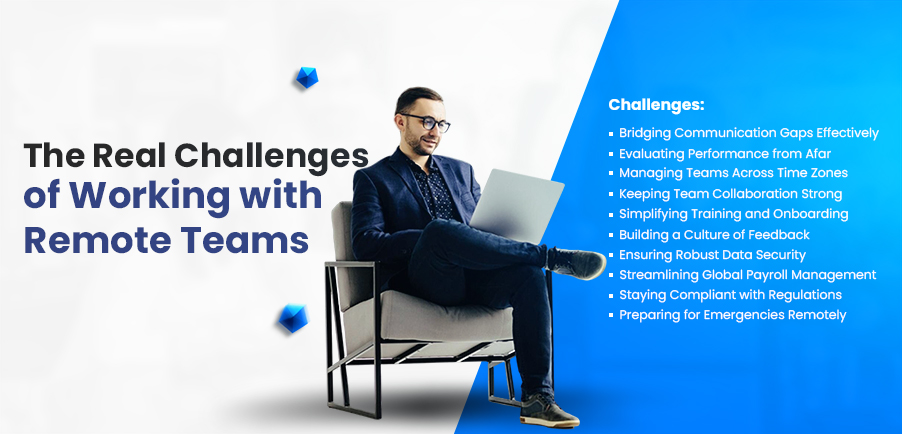
The Real Challenges of Working with Remote Teams
To understand the impact of digital timekeeping on remote teams, we must first understand the problems this model introduces.
1. Bridging Communication Gaps Effectively
Remote teams often struggle to maintain clear and real-time communication across digital platforms. Without in-person interactions, some are likely to misunderstand instructions, which leads to project delays or missed opportunities.
To bridge this gap, organizations rely on structured communication channels like Slack, Microsoft Teams, or Zoom. The success of a business often depends on setting transparent communication norms and encouraging regular conversation among employees.
Clear documentation, video calls for important discussions, and cultural awareness can help teams avoid misinterpretation. Offshore workers can build trust and ensure that collaboration flows smoothly despite physical distance through an open communication culture.
2. Evaluating Performance from Afar
Assessing productivity remotely is far more complex than monitoring office attendance. Traditional evaluation metrics often fail to capture actual impact or effort.
Companies now adopt data-driven performance tracking using project management and time intelligence tools to measure outcomes rather than calculating working hours.
Setting measurable goals, maintaining visibility through progress dashboards, and encouraging self-reporting enhance transparency. Yet, balance is crucial, since excessive tracking can create stress or mistrust.
Managers should often combine quantitative metrics with qualitative feedback to understand performance parameters. They must focus on how well staff are delivering results instead of how long they work for, encouraging accountability and motivation.
The focus should shift from how long employees work to how well they deliver results, encouraging accountability and motivation.
3. Managing Teams Across Time Zones
Coordinating a global workforce across multiple time zones can challenge even seasoned managers. Overlapping work hours are limited, which makes scheduling meetings, reviewing deliverables, and maintaining consistent communication harder.
Smart scheduling tools and asynchronous collaboration methods, such as shared task boards and recorded updates, help reduce workflow friction. Clear documentation of processes and expectations ensures team members can contribute effectively without needing others to be online at the same time.
Respecting local time zones and avoiding expectations that the staff will always be available prevents burnout. When managed strategically, this time diversity can become a strength for organizations. It encourages round-the-clock productivity and creates a truly global perspective on problem-solving and decision-making.
4. Keeping Team Collaboration Strong
In remote environments, spontaneous brainstorming and informal collaboration often take a backseat. . Without physical proximity, employees might feel disconnected from the vision of the organization.
To counter this, companies use virtual whiteboards, shared workspaces, and regular brainstorming sessions that simulate in-office creativity. Collaborative rituals, like weekly innovation hours or virtual coffee chats, foster belonging.
Team leaders play a key role in driving engagement by recognizing contributions publicly and encouraging cross-functional teamwork. Clear communication, transparent goal-sharing, and inclusive participation help maintain alignment.
When collaboration tools meet emotional connection, remote teams can achieve synergy comparable to or even stronger than co-located ones.
5. Simplifying Training and Onboarding
Remote onboarding presents its unique challenges to many remote workers. New hires must adapt to company culture, workflows, and tools without face-to-face guidance from the managers. Virtual onboarding platforms and learning management systems (LMS) are now essential to deliver interactive sessions, ensure smooth documentation, and conduct self-paced training.
Mentorship programs, virtual walkthroughs, and recorded tutorials provide personalized support and help new employees feel included early on. A structured onboarding plan, combined with regular feedback loops, ensures smoother integration.
The goal is to make new hires feel equipped, connected, and confident from day one. When done right, remote onboarding can be more effective and sometimes more flexible than traditional office-based programs.
6. Building a Culture of Feedback
Sustaining a feedback culture in remote settings requires intentional effort. Without hallway conversations or spontaneous discussions, feedback must be structured yet empathetic. Digital tools like 360-degree feedback apps and anonymous surveys encourage openness.
Regular one-on-one check-ins provide space for constructive dialogue and recognition. Managers should focus on making feedback two-way, allowing employees to share their challenges and unique ideas. They focus on positive mindset and actionable improvement points to build trust and fuel continuous growth.
Organizations create transparent environments by prioritizing psychological safety and recognition. They take feedback as a pathway to better collaboration and performance instead of criticism.
7. Ensuring Robust Data Security
Today, employees access sensitive company data through multiple devices and networks, and remote work increases these cybersecurity risks. Weak passwords, unsecured Wi-Fi, shared devices, and outdated software can all create serious vulnerabilities.
Companies now implement strong security frameworks that include multi-factor authentication (MFA), VPNs, zero-trust architecture, and encrypted communication channels. Regular security training keeps employees aware of phishing and data privacy threats.
Endpoint protection and cloud-based monitoring tools further ensure compliance and safeguard business information. A security-first mindset, supported by clear data-handling policies, helps organizations balance flexibility with safety. Ultimately, protecting information integrity is as critical as maintaining productivity in a remote-first environment.
8. Streamlining Global Payroll Management
Managing payroll across countries creates challenges involving taxes, currency differences, and local labor regulations. Remote-first companies must stay compliant with each jurisdiction while ensuring accurate calculations and timely payments for their global workforce.
Modern payroll platforms are designed to automate calculations, integrate with HR systems, and handle multi-currency transfers. Partnering with Employer of Record (EOR) services or global HR platforms simplifies compliance and reduces administrative burdens.
Transparent pay structures, regular audits, and consistent documentation foster employee trust. By digitizing payroll operations and centralizing data, organizations can maintain accuracy, minimize human error, and ensure every remote employee, no matter their location, is paid fairly and on time.
9. Staying Compliant with Regulations
Remote operations expand the footprint of your company across borders, making legal compliance a major challenge. Employment laws, data protection policies, and tax regulations vary by region. They require continuous monitoring and adaptation to ensure a smooth business operation.
Global HR compliance tools and local legal partnerships help businesses stay aligned with jurisdictional mandates. Regular policy audits, data privacy adherence (like GDPR), and transparent record-keeping are essential.
Companies also need clear remote work agreements defining responsibilities and data use. Staying proactive rather than reactive to compliance changes minimizes risks. A well-managed compliance framework ensures smooth operation. It protects the credibility of the brand and builds employee confidence in global setups.
10. Preparing for Emergencies Remotely
Remote teams must be prepared for disruptions, ranging from system outages to natural disasters or geopolitical crises. Unlike traditional offices, remote work demands decentralized contingency planning.
Cloud-based infrastructure, secure data backups, and multi-channel communication plans play signification roles in business continuity. Regular drills, risk assessments, and clear emergency roles keep remote teams ready for unexpected events.
Managers should maintain open lines for crisis communication and mental health support. A strong digital resilience plan ensures that even in uncertain times, teams can maintain productivity, security, and well-being.
Remote Work Trends for Business Success in 2026
According to a report from Markets and Markets, the global remote workplace services market size is expected to reach US$58.5 billion by 2027, growing at 23.8% CAGR. These statistics clearly show the latest trend among organizations to hire distributed teams, which is likely to consistently grow in 2026 and beyond.
Remote workplaces offer businesses quick access to global talent to fill skill gaps and collaborate across different time zones. Mainly comprising work-from-home (WFH) and hybrid models, these setups allow staff to work from anywhere.
Want to find out what makes these digital workplaces a smart choice for emerging and existing US firms? Continue to scroll below to find out!
Let’s discuss the top trends that help overcome remote work challenges and contribute to employee satisfaction, business productivity, and more.
-
Evolving Hybrid Work Models
According to Gallup, around 54% of remote-capable staff are working on hybrid models. - Source
Many enterprises offer this adaptive work arrangement to ensure employees feel most productive without weighing the costs of the daily commute. Virtual team collaboration and modern time tracking systems like Trutimer enable organizations to carry out tasks across flexible schedules.
IT firms are increasingly shifting towards hybrid work models, balancing flexibility, global teams, and innovative collaboration. They accelerate decision-making and sustain productivity through digital platforms and secure cloud tools.
When it comes to acquiring specialized professionals, IT staff augmentation offers a reliable solution. In a hybrid work culture, you can get expert software developers to work on a wide range of projects using this hiring model.
-
Rising AI and Automation Adoption
AI and automation are redefining how remote teams work and collaborate in modern workplaces. In the IT sector, AI-driven tools streamline project management, automate record maintenance, and improve communication across distributed teams. They close language and cultural gaps with real-time translation and insights into time zones while ensuring smooth global teamwork.
Automation takes over repetitive tasks, allowing remote or offshore employees to focus on strategic, value-driven work. From boosting productivity to ensuring data security, AI empowers managers to make data-backed decisions while maintaining transparency and accountability.
With these futuristic trends, remote teams become more efficient, connected, and adaptive in the ever-evolving digital workplace.
-
Prioritizing Employee Well-Being
Do you know that around 96% of workers believe that working hybrid or remotely promotes better mental health? It indicates how daily office visits add commute stress levels to on-site employees. Some companies recognize the importance of employee well-being and allow remote operations for positive outcomes.
Enterprises are now taking different initiatives to promote remote burnout relief. They are providing remote teams with the flexibility to work from their choice of location, which significantly improves mental health.
-
Collaborating Modern Platforms (VR/AR)
Managing remote teams is incomplete without advanced collaboration. Companies now integrate virtual reality (VR) and augmented reality (AR) to make team meetings, presentations, and projects more interactive and engaging for end-users or customers.
These collaboration tools boost productivity across major industries like healthcare, education, IT, and construction. The National Institute of Standards and Technology (NIST) promotes virtual reality for workplace safety and training staff in the US. Similarly, companies in the entertainment sector integrate VR and AR to boost audience engagement and enhance storytelling.
Teams that operate remotely in these industries can confidently utilize these advanced technologies to communicate, collaborate, and deliver results.
-
Improved Learning Path & Personalized Growth
Many companies encourage employees to pursue skill-building opportunities to stay ahead of fast-changing technologies and market demands. Upskilling helps align personal development with organizational goals, boosting motivation, retention, and overall performance.
Remote software developers and augmented IT teams benefit from diverse digital resources, strengthening both technical and soft skills. AI-powered online learning platforms and data analytics personalize the learning path of each staff member to enable continuous improvement.
With cloud-based LMS systems, microlearning modules, and virtual mentorship, organizations ensure that distributed teams stay adaptable, engaged, and are fully prepared for future challenges. All these efforts help them turn quality learning into a key driver of business success.
-
Data-Driven Team Performance
Outcome-based performance tracking is becoming a trending practice in remote work cultures. This data-driven approach eliminates guesswork to offer clear and measurable results.
Remote-capable organizations are using real-time metrics to align team goals, track output, and identify blockers across distributed setups. This method enhances accountability while emphasizing results over location, providing a perfect match for remote workers seeking clarity and autonomy. Analytics support tailored feedback, personalized development, and fairer evaluation based on evidence rather than impression.
Industry leaders can shape smarter hybrid schedules and collaboration norms by embedding performance signals into everyday workflows. This approach boosts engagement, trust, and agility among remote teams.
-
Expanding Global Workforce Reach
Global talent pools let US companies hire professionals for skills and accelerate business growth. They bring diversity of perspective, lower fixed costs, and often enable near-round-the-clock productivity across time zones.
For remote workers, this model offers greater flexibility, autonomy, and improved work-life balance, factors shown to boost satisfaction and retention.
Organizations also gain agility to scale roles quickly and fill niche needs without local hiring bottlenecks, making decentralized global teams a practical, sustainable trend for modern remote work.
What Makes Time Tracking Essential for Remote Team Success?
Working with remote software developers and IT engineers comes with many challenges. Here’s how time tracking helps businesses manage offshore teams better.
-
Maximize Team Productivity Effortlessly
It doesn’t matter if you hire remote workers from India or any other country, tracking time helps to boost productivity. Many organizations depend on time logging tools to make the most of their working hours. Most importantly, having this feature ensures employees spend more time performing routine activities, which helps businesses operate more efficiently.
Time tracking allows staff to focus on ongoing tasks to achieve better results. Some employees face extreme challenges while demonstrating productivity during office meetings or using social media. If you want a focused work culture without any kind of distractions, time monitoring supports longer stretches.
-
Ensure Precise and Accurate Billing
In a remote work culture, companies as well as offshore contractors and freelancers struggle with tracking tasks for proper billing. A time monitoring software makes it possible for them to track the logging hours of employees, projects, overtime, or other activities.
These kinds of practices help businesses generate correct bills for their clients, avoid monetary disputes, and submit necessary invoices. Detailed time logs also assist freelancers in maintaining overall professionalism while working with US firms.
Time tracking tools allow remote teams to effectively manage their schedules, enjoy flexibility, and work confidently during their tenure.
-
Strengthen Accountability Across Your Team
Accountability is an important aspect for software developers and IT engineers to continue working with companies remotely. It helps them boost productivity, build trust, and meet business goals without micromanagement or consistent supervision.
Sometimes, employees need to track their own tasks, time commitments, deadlines, and project progress to ensure faster time-to-market. With time tracking tools, it becomes easier for them to stay on schedule and take complete responsibility for their tasks.
Working with cross-border teams is often challenging for many enterprises and startups. When accountability is established, these professionals demonstrate strong ownership and reliability throughout various stages of project delivery. This helps them prevent delays and ensure more consistent and high-quality outcomes.
-
Monitor Project Progress in Real-Time
Distributed teams operate from various locations worldwide. Companies hiring remote professionals allocate tasks and track the workload through time reports. There are tools that enable these professionals to evaluate the time spent on individual tasks to adjust strategies and meet project deadlines.
Automated time capture software comes with a dashboard to display work goals through proper visualization. This level of visibility helps hybrid or work-from-home staff complete the tasks with greater accuracy and provide real-time updates.
If there are clients and other stakeholders who need project reports through timesheets, having tracking software allows this functionality.
-
Address Time Theft with Confidence
Many startups and enterprises often overlook time theft, an issue where some employees intentionally misrepresent their working hours or avoid responsibilities. It is considered a form of workplace misconduct, where staff may deliberately work slowly. They may even fail to use their assigned hours productively while appearing to manage their time properly.
Some common examples of time theft include:
- Taking excessively long breaks and falsifying timesheets
- Clocking in and out timings are not in sync with actual work hours
- Making Personal calls and web surfing mid-project
- Manipulating attendance on someone’s behalf (buddy punching)
- Unauthorized use of social media during paid hours
According to a report from business.com, US workers collectively overreport or falsify 9.1 billion person-hours annually. When time theft persists in an organization, employees may be paid for hours they did not actually work. Over time, this erodes financial performance and creates trust issues within the company.
Timesheets or time-tracking software prevent inaccurate time reporting with the help of real-time logs and unique login methods. These tools make use of GPS or biometric check-ins to identify and eliminate loopholes like buddy-punching.
Businesses can rely on automated time-capture technology to reduce payroll leakage, gain clearer productivity insights, ensure accurate billing, and streamline compliance processes. A task time recording tool, for example, Trutimer, enables project managers, entrepreneurs, and authoritative figures to spot inefficiencies in remote teams and act accordingly.
Why Traditional Time Tracking Fails Remote Workflows?
Reports show companies using paper or non-automated time tracking correct errors in nearly 80% of submitted timesheets. This indicates that manual tracking is highly unreliable for monitoring the activities of offshore software developers or IT engineers.
Below are the problems with classic time-tracking systems.
-
Limited Visibility into Actual Work Patterns
Traditional time tracking offers only start-and-stop timestamps. It provides little insight into how employees spend their time in reality. There are times when employees are found in the cafeteria or engaged in tasks that do not align with current project requirements.
In remote settings, limited visibility makes it harder for managers to assess workloads, spot bottlenecks, and measure productivity with confidence.
-
Higher Risk of Inaccurate or Manipulated Data
Manual timesheets and basic clock-in systems depend on employee honesty, increasing the risk of inflated hours, forgotten entries, or buddy punching. These inaccuracies become more common with distributed teams not hired through an IT staff augmentation agency.
Businesses that are overly dependent on a remote workforce often witness payroll errors, compliance issues, and productivity losses. Get insights into the role of staff augmentation in building agile teams across the globe here!
-
Poor Adaptation to Flexible Schedules
Working with cross-border teams often involves variable hours, split shifts, and asynchronous collaboration. Traditional systems are designed for fixed schedules, making them unsuitable for tracking non-linear work patterns.
This mismatch leads to incomplete records and creates frustration for both employees and managers. If organizations don’t take necessary actions to rectify this situation, coordination breaks down, deadlines slip, and team accountability weakens.
-
Lack of Real-Time Insights for Decision-Making
Conventional time tracking doesn't capture real-time data or generate actionable insights. Without instant visibility into workload distribution or task progress, US firms struggle to allocate resources effectively, forecast timelines, or address performance concerns.
-
Administrative Burden on Remote Employees and HR
Manual tracking requires employees to remember entries and HR teams to verify them, creating unnecessary administrative work. In remote environments, this burden grows due to fragmented communication, inconsistent documentation, and the need for frequent follow-ups to ensure accuracy.
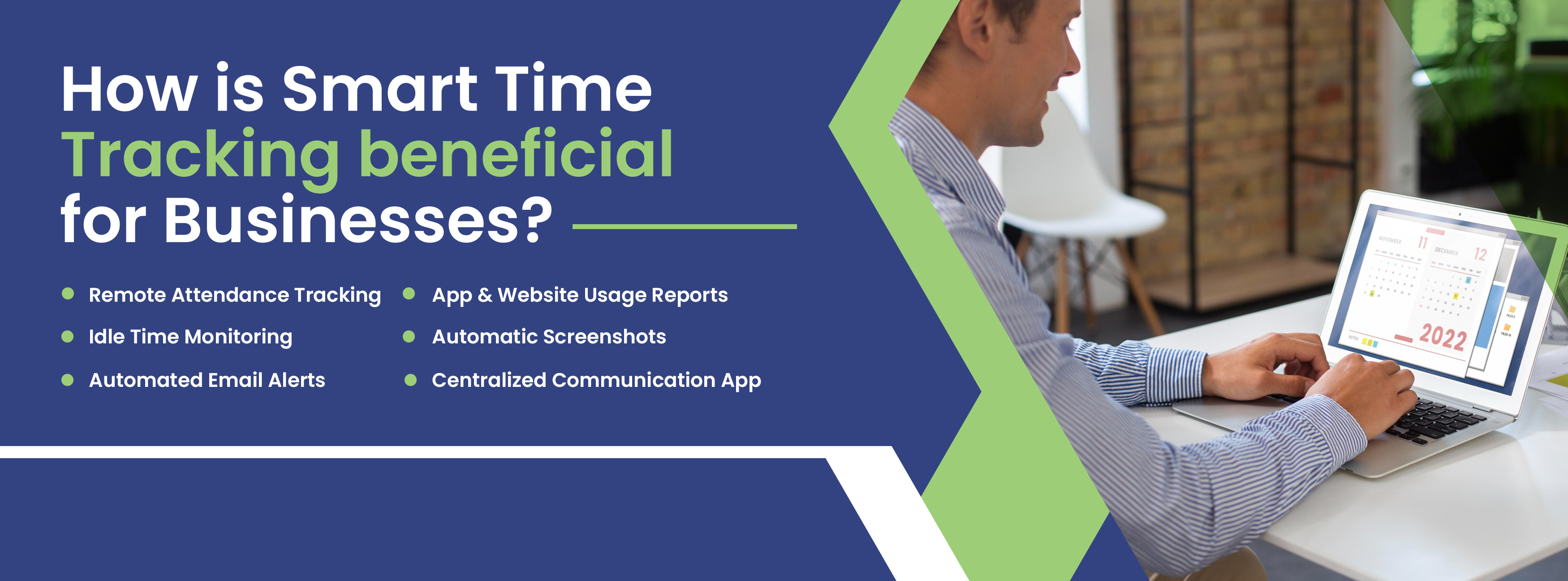
How is Smart Time Tracking beneficial for Businesses?
Companies are now investing in time tracking tools to create remote workforces. As per a report from Mordor Intelligence, the global time tracking software market size is expected to reach USD 11.43 billion by 2030, growing at a CAGR of 13.38%.
AI-powered digital timesheeting is better than traditional time trackers in so many ways. You can easily integrate tools like Trutimer to get real insights into your staff’s productivity and keep projects on track.
Several features of next-gen time trackers make them superior to traditional systems. They are helpful in resolving business issues, especially those revolving around productivity and skill gaps. If you want to manage remote teams better without wasting time, here’s how smart tools provide a much better resolution.
1. Remote Attendance Tracking
Many firms are replacing old punch machines with automated time trackers. The use of remote productivity software enables employees to record their log hours from any place, on any device, with just a few clicks. This feature makes digital timesheets ideal for monitoring the attendance of remote workers.
2. Idle Time Monitoring
Not every work hour delivers the same level of output. Modern productivity trackers monitor both active and idle time, giving companies a clear view of when employees are most engaged and where inefficiencies occur.
Managers gain real-time visibility into employee activity patterns, including both active and idle hours. This allows them to offer timely guidance, address performance dips, and provide support when productivity declines.
3. App & Website Usage Reports
Smart time-tracking tools help evaluate how employees spend their digital work hours by analyzing apps and website activities in real time. These insights help businesses identify productivity blockers, reduce online distractions, and guide teams toward healthier work habits.
With the right time tracker, businesses can improve employee focus, workflow quality, and overall performance.
4. Automatic Screenshots
These are periodic and time-based snapshots of employee screens, which give managers a non-intrusive way to understand workflow patterns and verify task focus. Automatic screenshots boost transparency and accountability while avoiding micromanagement, helping teams stay aligned and productive in remote or hybrid work environments.
5. Automated Email Alerts
Real-time email notifications keep managers informed without constant monitoring of project dashboards. Whether an employee logs in, completes a task, or triggers unusual activity, real-time notifications ensure issues are addressed quickly.
Timesheet software with automatic email alerts helps distributed teams stay organized, responsive, and aligned with daily work expectations.
6. Centralized Communication App
A smart time-tracking platform serves as a unified centralized communication hub, giving teams a single place to chat, share updates, and collaborate in real time. With all interactions organized in one system, onshore and offshore employees stay aligned.
Automated time trackers reduce miscommunication and maintain consistent workflow across distributed environments. You can approach a reliable enterprise-grade software development company to design a time tracking system for your business.
Conclusion
Whether you are building your own remote team or already dealing with the challenges discussed above, certain strategies help manage them better. Monitoring employee activities, logging hours, and productivity is made simple with time-tracking software like Trutimer.
Selecting the right tool for location-based monitoring can minimize distractions and encourage offshore professionals to contribute to your business growth. A smart time tracker system is all you need to reduce time wastage, optimize workflow, and maintain a positive culture without micromanagement.
When combined with automated email notifications, idle monitoring, and location tracking features, time trackers can improve teamwork and enhance productivity. If you want to replace your outdated tracking system and embrace AI-driven remote working software, contact Proquantic.
Frequently Asked Questions (FAQs)
Who should use employee time tracking software?
Time trackers are ideal for organizations that value efficiency, visibility, and continuous improvement. They support remote and hybrid teams, tech companies, BPOs, agencies, field service staff, and client-focused project teams. When US companies expect employees to manage their own time responsibly, this software strengthens accountability, improves leadership insights, and accelerates overall business growth.
How does AI improve remote team management?
AI integration accelerates remote team operations by automating repetitive tasks, monitoring workflow patterns, and identifying productivity trends that managers may miss. It offers data-driven recommendations, predicts resource needs, and tailors development plans for individual team members.
Advanced time tracking systems assist companies to make faster decisions, address issues earlier, and build more efficient, self-sustaining remote or offshore teams.
How do mobile clock-in apps work for remote staff?
Mobile clock-in and clock-out apps let remote employees log their work hours directly from their smartphones. These tools often include GPS validation, task-based time entries, automated timesheet generation, and reminders to prevent missed punches.
Enabling clock-in feature in the time tracking system means accurate time capture, reduced manual errors, and transparent reporting for both employees and managers.
What tools matter most for remote teams in 2026?
In 2026, effective remote team management depends on a strong digital toolkit. Essential tools include automated time-tracking systems, real-time collaboration platforms, and advanced project management tools. Some US companies successfully manage remote workers through virtual meeting applications and modern cybersecurity solutions.
Using all these tools enables seamless communication, transparent workflows, and secure operations across globally distributed teams.
Can a time tracking system support labor law compliance?
Yes, mobile time-tracking tools maintain precise records of daily work hours, breaks, overtime, and attendance patterns. These digital logs help employers meet labor law requirements across the US by offering accurate, tamper-proof timesheets.
Automated documentation reduces compliance risks, simplifies audits, and ensures fair compensation for all employees.