


Client Overview
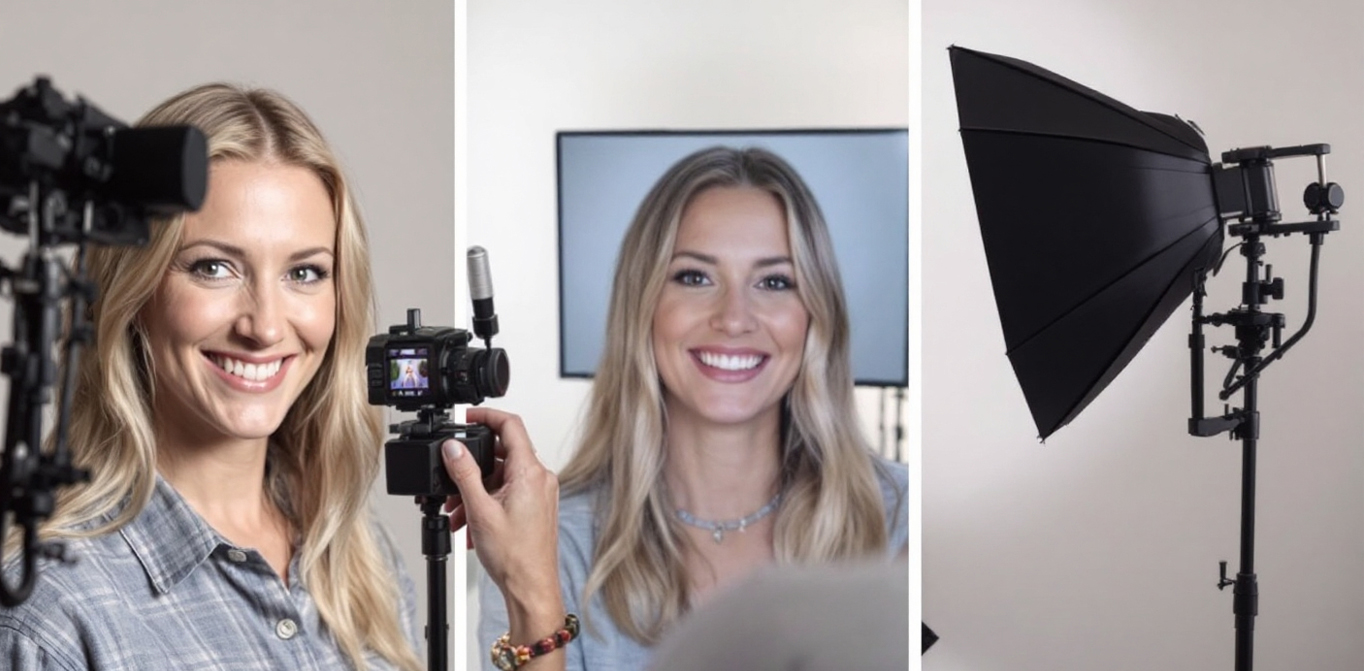
Our client, based in Texas, United States, specializes in professional photography and aimed to automate the process for both corporate clients and individuals. In 2018, Studio Pod was born-a digitally aware system created as an instant photo delivery solution for individuals and enterprises, delivering high-end, professional headshots in a fully automated manner using modern technologies. This AI-powered photography software captures real-time photos and generates exceptional quality headshots in just a few minutes.
Our client integrated user-friendly interfaces and patented technology to deliver polished images for various platforms like corporate use, real estate, LinkedIn, team events, and even individual use. This photography software features professional DSLR camera control technology that provides live view functionality. Built for enterprise, users can explore unlimited scalability and obtain headshots with perfect facial lighting and most photogenic features.
Client Requirement
Our strategists and software developers have assessed the needs of the client to deliver a fully automated instant photo delivery platform. Here’s what was their topmost requirements before we worked on Studio Pod:
-
Make Professional Headshots Accessible to Everyone
The client wanted a solution that eliminates the need for expensive photography sessions, enabling anyone to generate studio-quality headshots using simple smartphone selfies.
-
Automate the Photography Process with AI
To save time and cost, the platform needed to use AI for transforming ordinary selfies into professional-grade images without manual editing or intervention of a professional photographer.
-
Ensure Fast Turnaround for Busy Professionals
A key requirement was to deliver high-resolution headshots within a few minutes, meeting urgent demands for resumes, LinkedIn profiles, and business presentations.
-
Support Multiple Professional Styles and Looks
The client aimed to offer style flexibility in the form of corporate, casual, and creative, helping users align headshots with personal branding across various industries.
-
Maintain User Privacy and Image Security
It was critical that all uploaded selfies were handled with strict privacy controls, encrypted processing, and automatic deletion post-delivery to build user trust.

Challenges During Automated Photography Studio Development
Our team at Proquantic took various approaches to deal with the challenges during photography software development.
-
Advanced AI Modeling for Face Transformation
Building AI that could realistically enhance facial features from selfies required extensive training, facial landmark detection, and balancing enhancements without distorting the person’s real identity or expressions.
-
High-Resolution Output from Low-Quality Inputs
Users often uploaded images with poor lighting or resolution. Proper technologies were needed to implement upscaling, noise reduction, and AI-driven sharpening to ensure a final output suitable for professional use.
-
Seamless User Flow Design
Designing a four-step user process demanded backend efficiency and intuitive frontend logic. We were approached to ensure image uploads, processing, previews, and downloads worked smoothly with real-time status visibility.
-
Customization Across Headshot Styles
AI had to support formal, casual, and creative styles. This meant training the system to understand aesthetic requirements of different industries and generate visually consistent results for each chosen category.
-
Data Privacy and Secure Image Handling
Developers had to enforce encrypted file transfers, temporary storage policies, and automatic image deletion after download to meet privacy expectations and prevent unauthorized access or misuse of user data.
-
Maintaining Fast Processing Times
Delivering professional headshots fast required optimized AI models, efficient compute resource allocation, and intelligent task scheduling to handle high volumes without bottlenecks or degradation in quality.
-
Handling Smartphone Image Variability
Not all users submitted well-lit or clear selfies. Developers needed robust pre-processing to normalize input images and ensure reliable facial recognition across a range of devices and photo conditions.
-
Avoiding the Need for Professional Equipment
The system had to produce studio-quality results from basic phone selfies. This required AI capable of simulating ideal lighting, backgrounds, and depth using only 2D input from standard smartphone cameras.
-
Scalability for High Traffic Periods
Developers had to prepare the system for spikes in user activity, ensuring that servers scaled efficiently and processing queues were managed to prevent delays or dropped sessions.
-
Image Selection and Subjectivity Handling
After processing, users had to choose from AI-generated headshots. Developers had to provide an intuitive interface for comparing images while minimizing confusion or dissatisfaction with similar-looking outputs.
Solutions
To meet the client's need for a fast, AI-driven headshot platform, our software developers built a modular system combining modern web, desktop, and backend technologies. Multiple React SPAs served different user roles, ensuring responsive and intuitive interfaces. We also powered the backend by ASP.NET Core Web API and SignalR for real-time communication.
Windows Services handled background processing, including AI transformation and booth automation. Our team utilized SQL Server and Dropbox for secure data and image storage. The inclusion of DMX lighting integration enabled automated control of professional lighting in physical booth setups to capture high-quality headshots.
Tech Stack in Studio Pod
| Technology Layer | Technology Component | Technology Used |
|---|---|---|
| Frontend Applications | Admin Portal, Corporate Portal, Service Provider Portal, Gallery Portal, Remote Viewer | React SPA |
| Camera Control App | CamDemo, Windows Forms (.NET) |
|
| Backend Technologies |
Core Framework Windows Services External Integrations Canon EDSDK |
ASP.NET Core 2.2+ (Web API, SignalR), Entity Framework Core, SQL Server 2012+, Adobe Photoshop (COM automation), Dropbox API, Stripe API, DMXProtocol |
| Communication Layer |
Web API | ASP.NET Core |
| SignalR Server | ASP.NET Core + SignalR |
|
| Background Services | Photo Processor, Booth Service | Windows Service |
| Data & Storage Layer |
SQL Server DB |
Microsoft SQL Server |
| Dropbox Storage |
Dropbox Integration |
|
| File System |
Local Storage |
|
| Hardware Integration |
DMX Lighting |
DMX Protocol |
Approaches to Overcome Technical Challenges
-
Diverse AI Training and Landmark Detection
AI models were trained using a broad dataset of face types, lighting conditions, and angles, improving facial detection and realistic enhancement across all user images.
-
Intelligent Image Pre-Processing
Uploaded selfies were automatically analyzed and adjusted for exposure, sharpness, and contrast before being sent to AI, boosting the quality of even poorly taken inputs.
-
Separation of Frontend and Background Tasks
Heavy tasks like image rendering and photo enhancements were moved to Windows Services to keep the React SPA interfaces lightweight and responsive.
-
Live Session Updates via SignalR
Real-time notifications were delivered using SignalR, keeping users informed about photo processing progress and reducing uncertainty during waiting periods.
-
Dynamic Styling Engine
The system offered smart, template-based styling powered by AI logic, enabling users to apply different professional themes without manual editing.
-
Secure Temporary Storage and Auto-Deletion
Images were stored temporarily via Dropbox and local storage, encrypted during transit, and automatically deleted post-download to meet strict privacy requirements.
-
Parallel Processing Infrastructure
Background services and APIs were optimized to allow multiple users to receive results quickly, even during peak hours, without slowing down.
-
Device-Agnostic Input Compatibility
Algorithms were tuned to accept images from any device by adjusting to differences in image quality, resolution, and framing without requiring users to follow strict capture rules.
-
AI-Based Studio Simulation
Sophisticated AI mimicked professional lighting and depth using only 2D image data, eliminating the need for DSLRs, lighting kits, or studio hardware.
-
User-Centric Image Review Tools
The frontend provided comparison-friendly image preview and selection tools, making it easier for users to choose the most appealing version of their AI-generated headshot.

Results & Impact of Studio Pod’s Photo Processing Software
The AI-powered headshot platform delivered measurable value to the client and end-users across industries, supporting professional branding, team consistency, and career advancement through studio-quality visuals.
-
Increase in LinkedIn Profile Views
Users who updated their profiles with AI-generated professional headshots reported up to 14 times more views, significantly boosting visibility in job searches and networking efforts.
-
80% Improvement in Brand Consistency for Remote Teams
The platform enabled distributed teams to present a unified, professional brand image. Over 80% of remote users confirmed improved brand consistency across company profiles, presentations, and directories.
-
95% Satisfaction Rate Among Job Seekers and Freelancers
Professionals using the platform for CVs, portfolios, and job applications reported the highest satisfaction rate with the quality, style options, and turnaround speed of their headshots.
-
60% Faster Profile Setup for New Hires
HR teams noted a considerable reduction in onboarding time for collecting and standardizing new employee headshots, improving internal workflows and public-facing team pages.
-
Increased Engagement Across Digital Platforms
Enhanced profile imagery led to higher engagement rates on LinkedIn, websites, and speaker bios, providing a more credible and polished public image for users and businesses alike.